



Silk Road to Ancient Merv
About tour
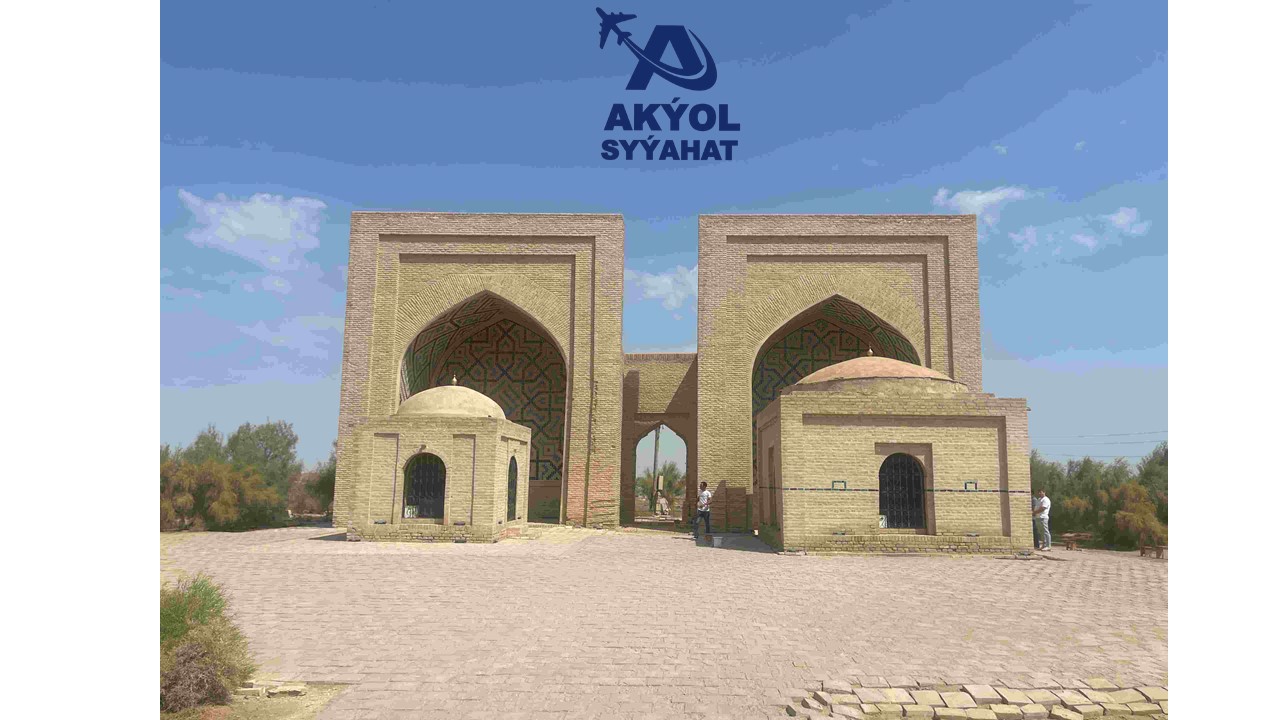
This itinerary typically takes you to the key highlights, including the capital city of Ashgabat, the historical Silk Road city of Merv, the Bronze Age settlement of Gonurdepe. Ancient Merv was the most important Silk Road hub in the region, and particularly thriving as regional capital under Seljuk governor Sanjar. Merw is the collective name of five urban centers that existed under various different names in different periods from the VI c BC up to the XVIII c AD.Today, Merv occupies a territory of more than 1200 ha and forms the biggest archeological site in Central Asia. The importance of the site was recognized in 1999 by UNESCO, which awarded Merv World Heritage status. On your final day, you will be transferred to Ashgabat International Airport for your flight home, concluding your unforgettable tour of Turkmenistan.
Itinerary
-
Arrival to Ashgabat international airport.
Tour guide will meet you and transfer to the hotel.
Upon arrival check in and overnight at the hotel. Rest time.
We will begin our tour in Ashgabat. Ashgabat is a relatively young city in 25.05.2013 city was included Gunnies Book of records as a white marbled city on the world.
10:00 – Ashgabat sightseeing:
Independence Park if you once find yourself in Ashgabat, the city of love, white marble and thousands of fountains, you must visit the main park in the Turkmen capital - National Independence Park. This Park is one of the city’s attractions, embodying the spirit of modern Turkmenistan.
Arch of Neutrality used to stand on the main square of the country, but in 2011, was moved to Ashgabat’s outskirts. Still worth a visit, this multi-level structure is crowned by a sculpture of the former Turkmenistan´s President, Saparmurat Niyazov. Previously, the sculpture used to rotate after the sun, making a daily full turnover.
Ertugrul Gazi Mosque is one of the most beautiful Muslim mosques of Turkmenistan. Like any other buildings, erected in Ashgabat during the period of independence, the mosque strikes with its size and rich decoration.
The State Museum of the State Cultural Center of Turkmenistan is the first and largest one of the 26 museums established following the independence of Turkmenistan. The official opening took place on 12 November 1998. It is located on Archabil Avenue in the picturesque Kopet Dagh foothills. Opposite the museum there is the main flag of Turkmenistan attached to one of the highest flagpole in the world.
After the tour, transfer to your hotel and enjoy a relaxing evening in this enchanting city.
Night at the hotel.
-
BREAKFAST
08:00 - drive to Mary Region 350 km. On the way visits:
Altyn Asyr Bazaar, also known as the Tolkuchka Bazaar, is the largest and most vibrant market in Ashgabat, Turkmenistan. Situated on the outskirts of the city, the bazaar has become a hub for commerce and culture, offering visitors a glimpse into traditional Turkmen life.The Altyn Asyr Bazaar traces its roots back to the Soviet era when Tolkuchka (meaning “pushy” in Russian) was a small market where people gathered to trade goods. Over time, the market expanded in size and importance, and in 2011, a new, modernized version of the bazaar was opened under the name “Altyn Asyr.” The new structure replaced the old market, covering an area of more than 150 hectares, making it one of the largest outdoor markets in Central Asia.
Seyitjemaleddin Mosque. Located in the city of Anau, 12 km east of Ashgabat along the Ashgabat-Mary highway. The Seyit-Jemallidin Mosque is a complex structure that once included a mosque, madrasah and the mausoleum of Sheikh Jemal ad-Din.On the Turkmen land the famous Seyit-Jemallidin mosque, widely known as “Seyit-Jemal ad-Din”, a well-known monument that preserves the unique architectural traditions and artistic styles of the Iron Age. The monument was built in the 15th century during the reign of Abul Qasim Babur, a Timurid descendant in Khorasan. This mosque amazed many Muslim architects of the East with its external beauty and architectural features.
Abiverd one of the most important cities of Northern Khorasan is a medieval settlement Abiverd. Hafiz-i-Abru said that Abiverd settlement consisted of dozens of villages and several cities. The city wall is a rectangular area of 42 hectares.There also were found ancient coins, ceramics products of IX-XII centuries, as well as a lot of metal handicrafts: various women's jewelries, buckles. According by them, we can say that there were shops of jewelers and tinkers. During the excavations archeologists found huge wells and reservoirs, indicating a highly-developed irrigation of Abiverd. The first investigation was took place in 1928 under the lidership A.A. Semenov, who first made a plan of the city, citadel and remains of the city wall. In addition to Semenov’s scientific works, there are also archeological materials collected by the members of the expedition from different parts of Abiverd.
The Nedir Shakh fortress was built by Nedir-Shah order in the XVIII-th century. The fortress was surrounded by moat. The southern wall of this historical monument was damaged, however the other walls have been preserved to our days.In the northern corner of the fortress one can see a hill 10 meters high. From the top of this hill the whole fortress and its surroundings could be seen. In the middle of the fortress there are the ruins of the palace. About 22 kilometers to the north of Kaahka region in the collective farm named after A. Tahirov, there is the fortress of the great ruler Nedir-Shah. The fortress was built by the order of Nedir-Shah himself in the XVIII-th century.
Upon arrival in Mary city and check-in hotel.
Night at the hotel.
-
BREAKFAST
08:00 - drive to Margush/Gonurdepe historical site. Located approx. 90 km from Mary city.
Gonurdepe one of the ancient and most prominent sites - Margush/ Gonurdepe that was existed in 5th center. This Bronze Age civilization is well known as Margush or from the Greek name of Margiana. Professor Viktor Sarianidi found this significant sight in the early 1970s. He was the leader of Margiana Archaeological Expedition. Moreover this place of Bronze Age was found beyond the northern edge of the modern oasis, where you can find the desert. Due to the climatic changes made this place uninhabited and due to it the ruins of the Bronze Age were well-preserved underneath the desert soils. The prominent site also has relation to that at Bactria that now situated in northern Afghanistan. Due to it can be said that the Bactria- Margiana complex was the main center of ancient civilization. In addition there is a theory that Margiana was the place where Zoroastrianism appeared.
15:00 - visit Ancient Merv historical site:
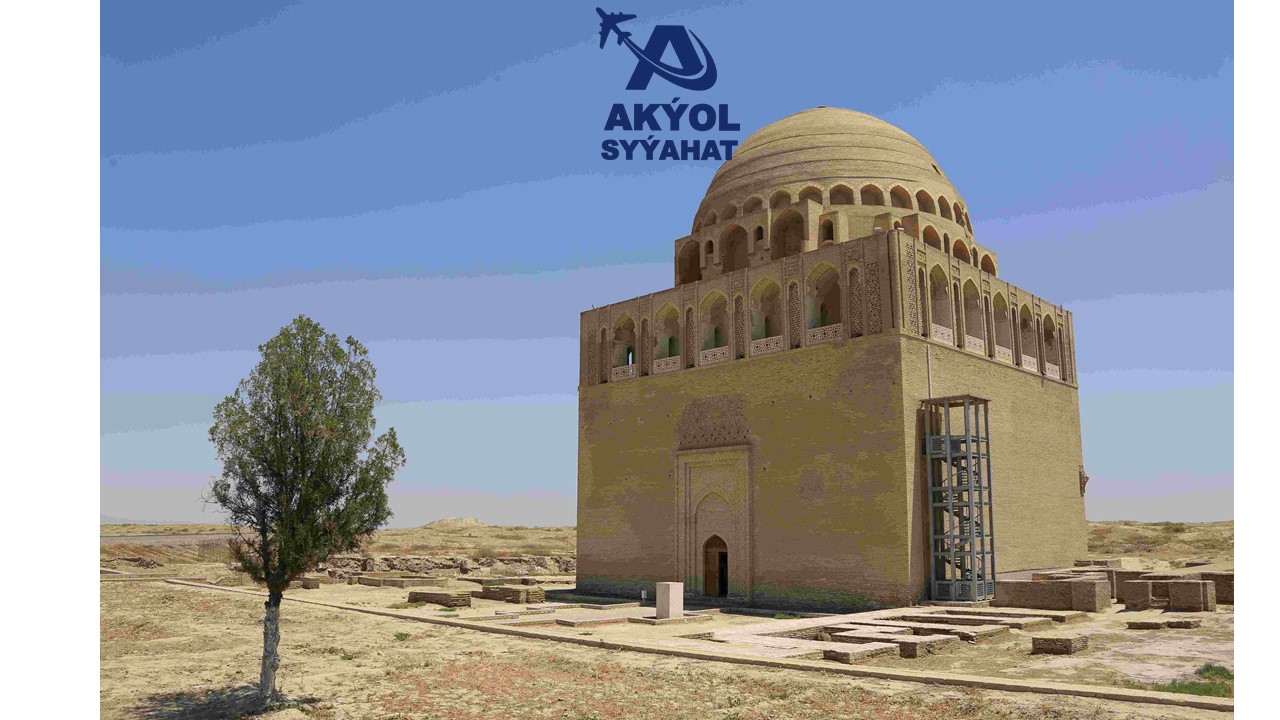
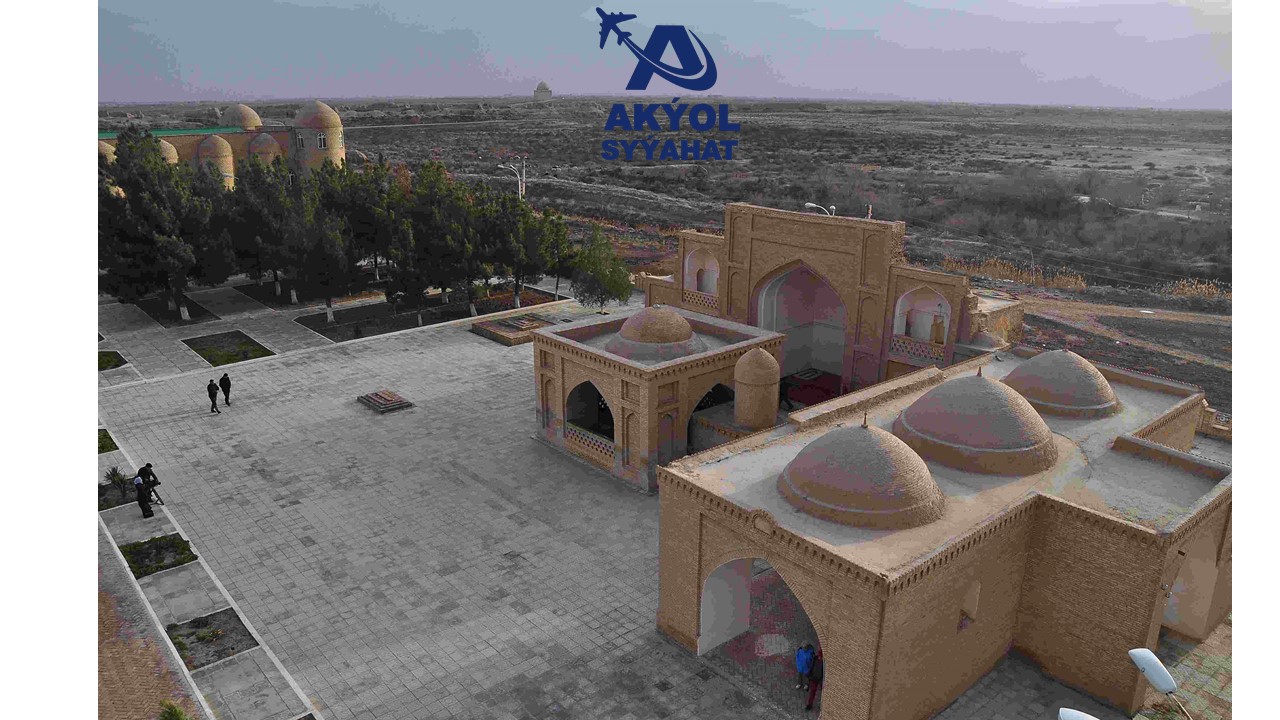
Soltan Sanjar Mausoleum most majestic architectural monument of Merv is Sultan Sanjar mausoleum called "Dar-al-Akhir" ("Otherworld"). His whole appearance it represents the highest achievements and flourishing Seljuk power. Sultan Sanjar Mausoleum is located in the center of the settlement Sultan Kala. Nearby are large monumental buildings - the palaces of Seljuk rulers and a mosque.
Great and Less Kiz fortress small fortresses with corrugated, if folded in the crease, napodobye accordion, walls. They put on the earthen ramps with mild slope. Small windows are hidden in the folds of the walls. At the top of the wall terminate toothed battlements, which are almost did not survive.
Gyaur Kala fortress In Turkic languages, "Gyaur" means "infidel", referring to those who do not practise Islam. The name of the fortress in ancient Merv, Gyaur-Kala - "Fortress of the Infidels" - was given by the Arabs who conquered it in the early 8th century. However, the fortress itself dates back much earlier, to the 4th-3rd centuries BC.
Erk-Kala fortress was the center of ancient Merv. The fortifications of Erk-Kala have sagged under earth drifts but nevertheless, have preserved their height and power. This distinguishes Erk-Kala from other fortresses. Now the height of the fortifications with steep slopes and precisely cut out towers reaches 25 - 29 m.
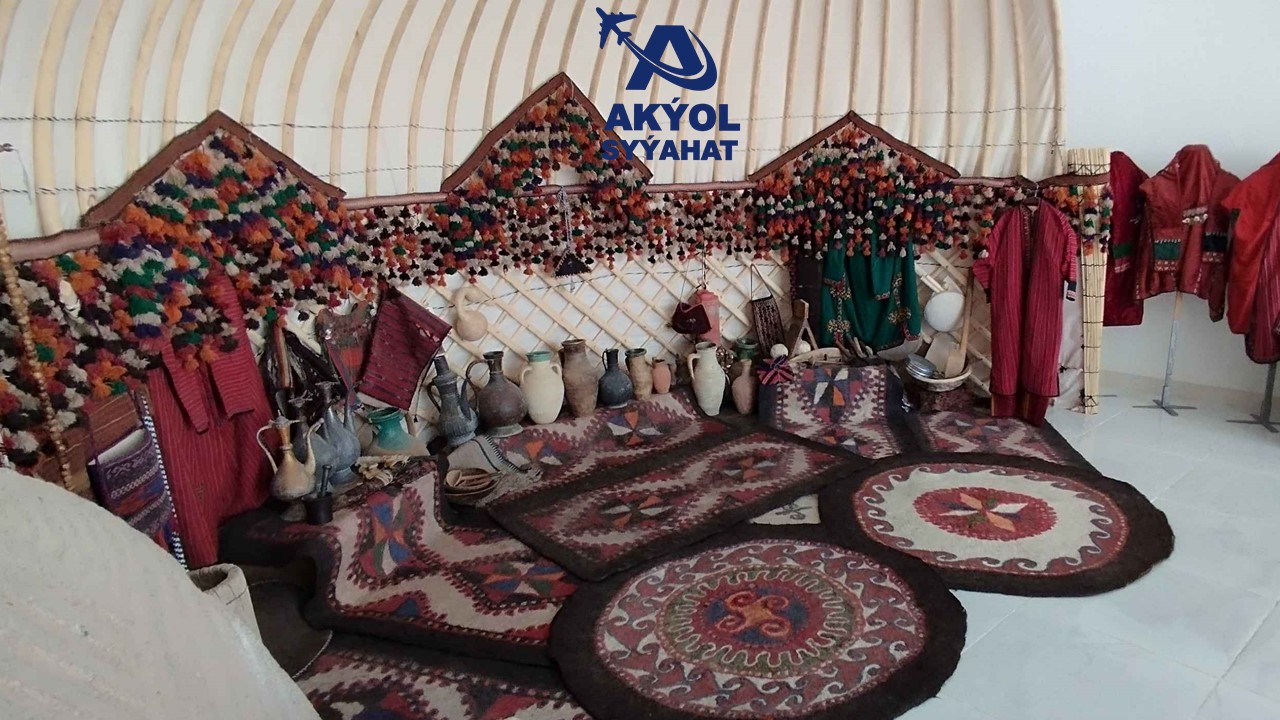
Gadymy Turkmen Ojak an ethno guesthouse where we savor freshly baked Turkmen bread, witness traditional cuisine preparation, embroidery, wool spinning. We’ll also enjoy a folk-dance performance espacially organized for the group.
Night at the hotel.
-
BREAKFAST
09:00 - you will start tour in Mary city.
Monument to the poet Mollanepes. The monument located in the center of Mary city. He lived in the 19th century.
Maru-Shahu-Jahan bazaar. Located in the center of Mary city, near the Murgab River. Maru-Sahu-Jahan bazaar is a local shopping center, offering a glimpse into everyday Turkmen life with lively shops selling produce, textiles, and household goods. Visits are usually to experience the local culture, atmosphere, and to purchase souvenirs of national handicrafts.
Mary Regional Library opened in 2011.The Mary Regional Library of Turkmenistan is the main cultural, educational, and research center on the Mary River. It serves as a large book depository with over three million copies, housing nine reading rooms, a museum of Turkmen books, and an observatory. This library serves 600 readers at a time. It is known for its unique tulip-shaped dome, which houses an observatory with a powerful telescope.
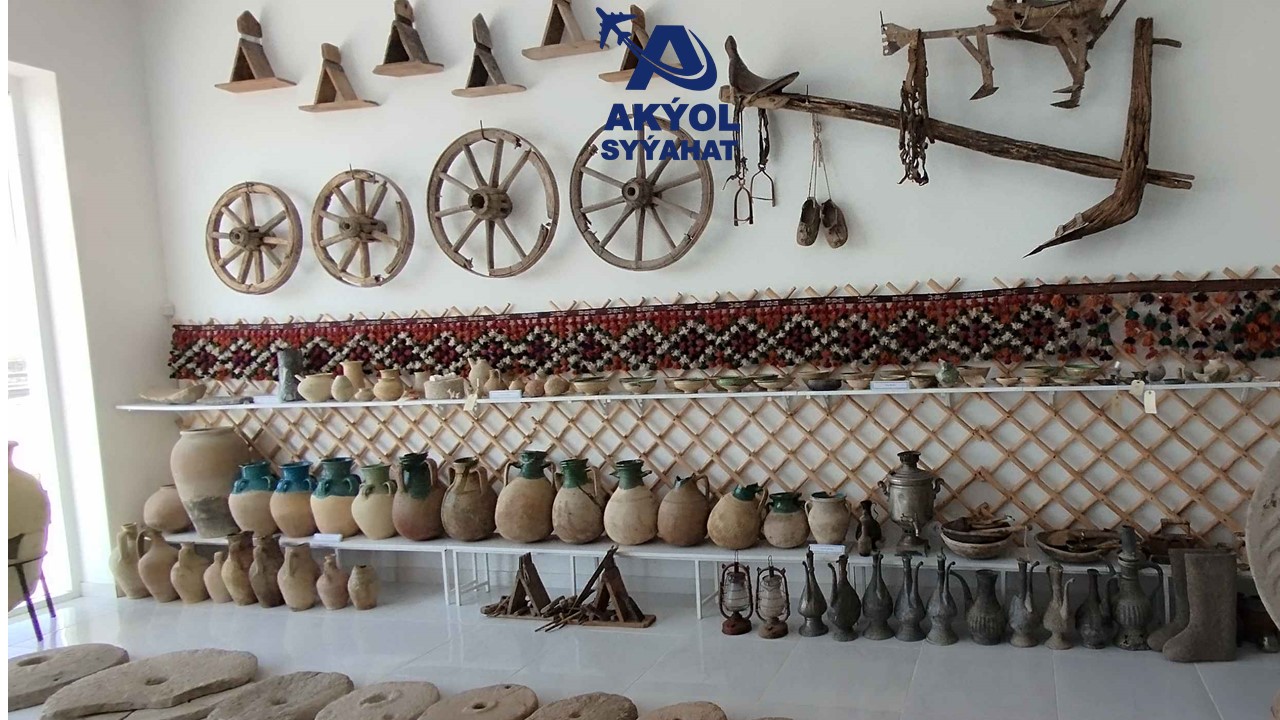
The History Museum in Mary houses an extensive collection of approximately 40,000 exhibits, showcasing the historical and cultural heritage of Turkmenistan. Covering an area of 10,000 square metres, the museum offers a comprehensive insight into the country's history through the ages. Founded in 1968 as the Mary Historical and Revolutionary Museum, the first exhibition opened in 1974. In 2010, the museum moved to a new building in the shape of an eight-pointed star, with a magnificent fountain at its centre. Statues of prominent Turkmen historical figures adorn the entrance. The exhibition area covers 4,000 square metres in six halls.
The Pokrovskaya Church in Mary, Turkmenistan is a historic, red-brick Orthodox church built in 1900. Located in the center of the city, it is a model of early 20th-century Russian colonial architecture with ornate, detailed brickwork.
After excursion drive to Ashgabat city (350 km, 3-4 h).
Upon arrival in Ashgabat and check-in hotel.
Night at the hotel.
-
Transfer to the Ashgabat International airport for flight to next destination.
We hope you enjoyed our service and hope you'll come back again.
Included
- Accommodation in mentioned hotels on DBL/TWIN sharing
- Breakfasts at the hotels
- Services of A/C comfortable transport with professional driver as per the program
- English,Spanish,Italian,German,French,Russian and Chinese speaking guides
- Daily 5 bottles of 0.5l water per person
- Entrance fees to mentioned sights per program (excluding photo and video charges at sights)
- Visa support to Turkmenistan, registration and travel pass
- Travel tax
- Handmade souvenir per person
Excluded
- Visa consular fees and processing expenses 80-100 USD per person, when obtained at land border (subject to change, nationality dependent)
- Turkmenistan migration tax 14 USD per person
- PCR nose test 33 USD
- Photo and video charges at sights
- An early check-in hotel
- Lunches and dinners
- Beverages
- International air tickets to / out of Ashgabat
- Travel Insurance
- Extras, not indicated in inclusions
Additional info
NOTE:
Check-in after 2:00 PM, check-out before 12:00 PM.
If a traveler will be staying in Turkmenistan for more than three working days, the travel agency will register them and stamp their passport at the local tourism office.
A rapid PCR test for COVID-19 will be administered upon arrival. The cost is $33 (subject to change).
Customer Support
We have a professional customer support team and always accompany you on every trip.